Column · @alfrescoliving
Resin patio furniture and changing weather: what makes it practical
Outdoor furniture has a harder job than most indoor pieces. It sits in sun, rain, wind, dust, pool splashes and evening dew, often with little protection. Resin furniture is popular in patios, gardens, dining areas, poolside settings and commercial spaces because it is built around materials that handle that kind of exposure with less fuss than many natural or coated surfaces. Nardi outdoor furniture is one example of this broader resin category, where the design goal is usually light weight, easy movement and steady performance across seasons.
Practicality here is not just about surviving a rainy day. It is about how a chair, table or lounger behaves after weeks of changing conditions: whether it traps water, fades unevenly, becomes brittle, scuffs easily or turns into a chore to clean. Resin can answer many of those concerns, but the details still matter. Shape, finish, frame design and storage habits all affect how well a piece holds up.
What resin furniture is made from
Resin, in this setting, usually refers to synthetic materials shaped into parts rather than cut from timber or forged as metal. Some pieces use molded resin shells for seats and backs. Others combine resin slats or panels with aluminum frames. The exact mix varies by product, but the shared idea is that the outdoor surface does not need the same sealing, staining or repainting routine that wood often needs.
This matters in changing weather because moisture is one of the main causes of wear outdoors. Wood can absorb water, swell, shrink and crack as conditions shift. Steel can rust if its protective layer is damaged. Uncoated or poorly coated metals may also heat up strongly in direct sun. Resin does not absorb water in the same way, so a sudden shower or a humid week is less likely to change the size or shape of the outer material.
That does not mean resin is immune to weather. Sunlight can affect color and surface finish over time, especially when a piece is left in strong direct light day after day. Heat can also make some plastics feel softer or more flexible. The best outdoor designs take those traits into account with UV-stabilized materials, rounded edges, ventilation gaps and finishes that are meant for exterior use.
How weather resistance works in practice
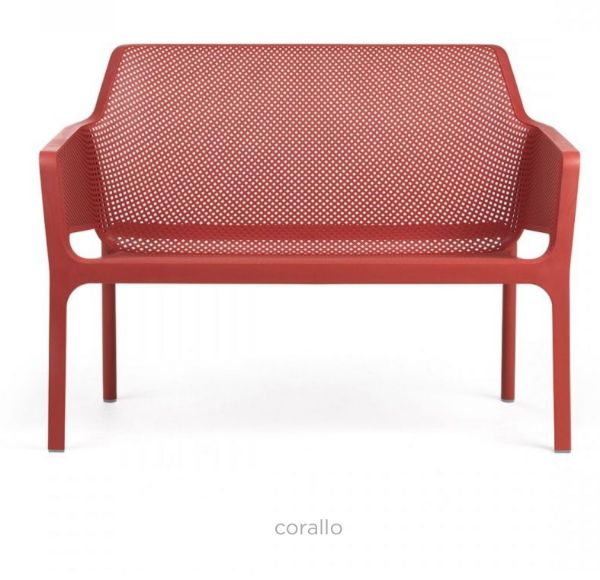
Weather resistance is often treated as a single feature, but it is really a set of smaller design choices working together. A well-shaped chair back sheds rain instead of holding it. A tabletop with a slight texture can reduce the look of minor marks while still wiping clean. Legs and frames that allow air to move help surfaces dry after rain. Even the space between stacked pieces can matter, because trapped moisture encourages dirt and mildew.
Resin is especially useful where furniture must be moved often. A patio may be sunny at lunch, shaded in the late afternoon and wet after an evening storm. Light pieces can be shifted under cover, pulled closer to a wall or arranged around a heater without the effort involved with heavier materials. For spaces that change use during the day, that flexibility is part of the practical value.
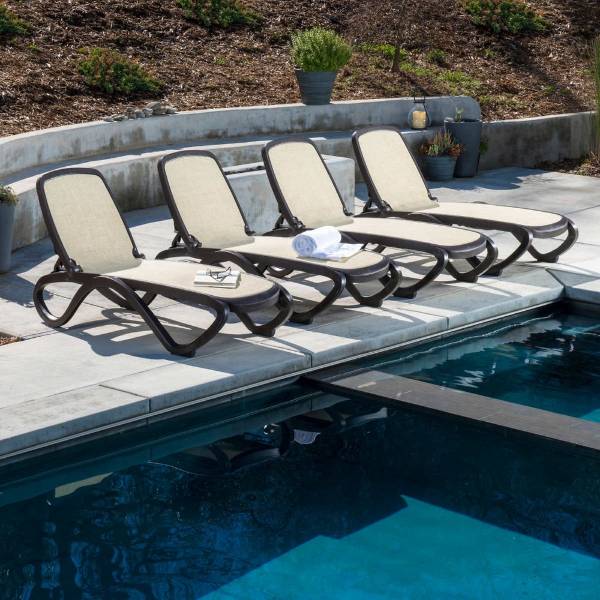
Pool areas show another advantage. Chlorinated water, sunscreen and wet feet are common around outdoor seating. Resin surfaces generally tolerate routine wiping better than finishes that need careful treatment. A quick rinse and a soft cloth are often enough for everyday cleanliness, provided grime is not allowed to build up in seams or around feet.
Why design details matter more than the label
The word resin can cover a wide range of products, so the label alone does not tell the whole story. A thin, hollow piece and a solid molded piece may behave very differently in wind or under daily use. A chair with a smooth, continuous seat is easier to clean than one with deep grooves. A frame with visible joints needs more attention than a single molded form, not because joints are always weak, but because dirt and water can collect around them.
Comfort also has a weather angle. In warm weather, some materials stay cooler to the touch than others. Dark surfaces may feel hotter in full sun, while lighter tones tend to be more forgiving. Seat shape affects comfort just as much. A slight contour can make a chair pleasant for longer sits, while a flat molded seat may be better for quick meals or casual use.
For dining areas, table height and chair proportions deserve attention. A table that looks right in a showroom can feel awkward on a patio if the chairs are too low, too wide or hard to tuck in. patio dining tables work best when there is enough room to move chairs without scraping nearby walls or planters. That is a layout issue as much as a product issue, and it becomes more noticeable in spaces exposed to wind or used by children.
Moving, stacking and storing with less effort
Seasonal weather often means furniture has to be rearranged or put away. Stackable chairs are useful in this respect because they reduce the space needed for storage and make it easier to clear a deck before a storm. The key is to stack them in a stable way and keep them dry before they sit together for long periods. Water held between seats can leave marks or encourage mildew, even when the material itself is not absorbing moisture.
Lightweight construction has a trade-off. Pieces that are easy to move can also shift in strong wind, especially umbrellas, slim tables and chairs with broad backs. In exposed locations, placement matters. Furniture tucked near a wall, screened by planting or positioned on a sheltered side of the home will usually feel calmer than furniture on an open deck. In windy conditions, securing loose items or bringing them inside is safer than relying on weight alone.
Storage does not need to be elaborate. A covered corner, a shed, a garage shelf or a furniture cover can all reduce constant exposure. The aim is not to keep every piece indoors at all times. It is to avoid unnecessary contact with standing water, falling leaves and long periods of harsh sun. Even a simple routine, such as clearing debris from seat joints and letting furniture dry before covering it, can make maintenance needs smaller over time.
Cleaning and upkeep in a changing climate
Routine care for resin furniture is usually straightforward. Dust, pollen and bird droppings are best dealt with early, before they settle into texture or edges. Mild soap and water are typically enough for regular cleaning, followed by a rinse and air drying. Abrasive pads and harsh solvents can dull surfaces or leave marks, so a soft cloth or brush is the safer choice.
After storms, it helps to look at the places water can sit: chair frames, table edges, umbrella bases and the underside of slats. This is less about dramatic damage and more about preventing slow build-up. A piece that dries evenly is easier to keep looking tidy than one that stays damp in hidden areas.
Long-term upkeep is also about expectations. Resin may not develop the same patina that wood can, and it is not meant to be refinished in the same way. Its advantage is consistency. A chair pulled out in spring should look much like the chair put away in autumn, aside from normal dirt or surface wear. That predictable behavior is one reason resin suits busy outdoor spaces and shared settings.
Patio dining tables often collect the most daily use, from meals and drinks to laptops, games and craft projects. A resin or resin-topped table can make that easy because spills are simple to wipe and the surface does not demand special treatment after every meal. The same practicality applies to side tables, loungers and stackable seating when the material is chosen for outdoor conditions rather than borrowed from indoor design.
Choosing pieces that suit the space
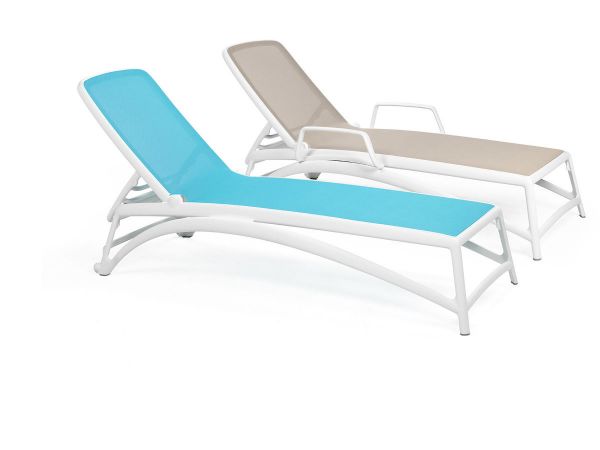
Start with the way the area is used. A poolside seating group needs quick drying surfaces and chairs that can be shifted as sun moves. A garden dining spot may need stable tables, comfortable chairs and enough space around the table for people to sit without brushing against plants. A commercial patio may place more weight on stacking, cleaning and resistance to frequent handling.
Measure the space before filling it. Chair dimensions affect how many seats fit comfortably, and table height should suit the chairs rather than the other way around. Leave room for people to pull chairs back, for doors to open and for foot traffic to pass. In smaller areas, fewer pieces that move well are often more useful than a full set that feels crowded.
It is also worth looking at how a collection works as a whole. Matching finishes and shapes make a patio feel deliberate, even when pieces are added over time. Nardi outdoor furniture fits the resin outdoor category by focusing on pieces for patios, dining areas, poolside spaces, gardens and commercial settings, where practical movement and simple care are useful day to day. The broader lesson is to choose furniture around real conditions: sun, rain, storage space, cleaning habits and the way people gather outdoors.
Changing weather will always place demands on outdoor furnishings. Resin does not remove every limitation, but it gives homeowners and space managers a dependable middle ground between durability, comfort and low maintenance. When the material, shape and layout are chosen together, furniture can be ready for a wet morning, a hot afternoon and a crowded evening without needing special attention between each one.